


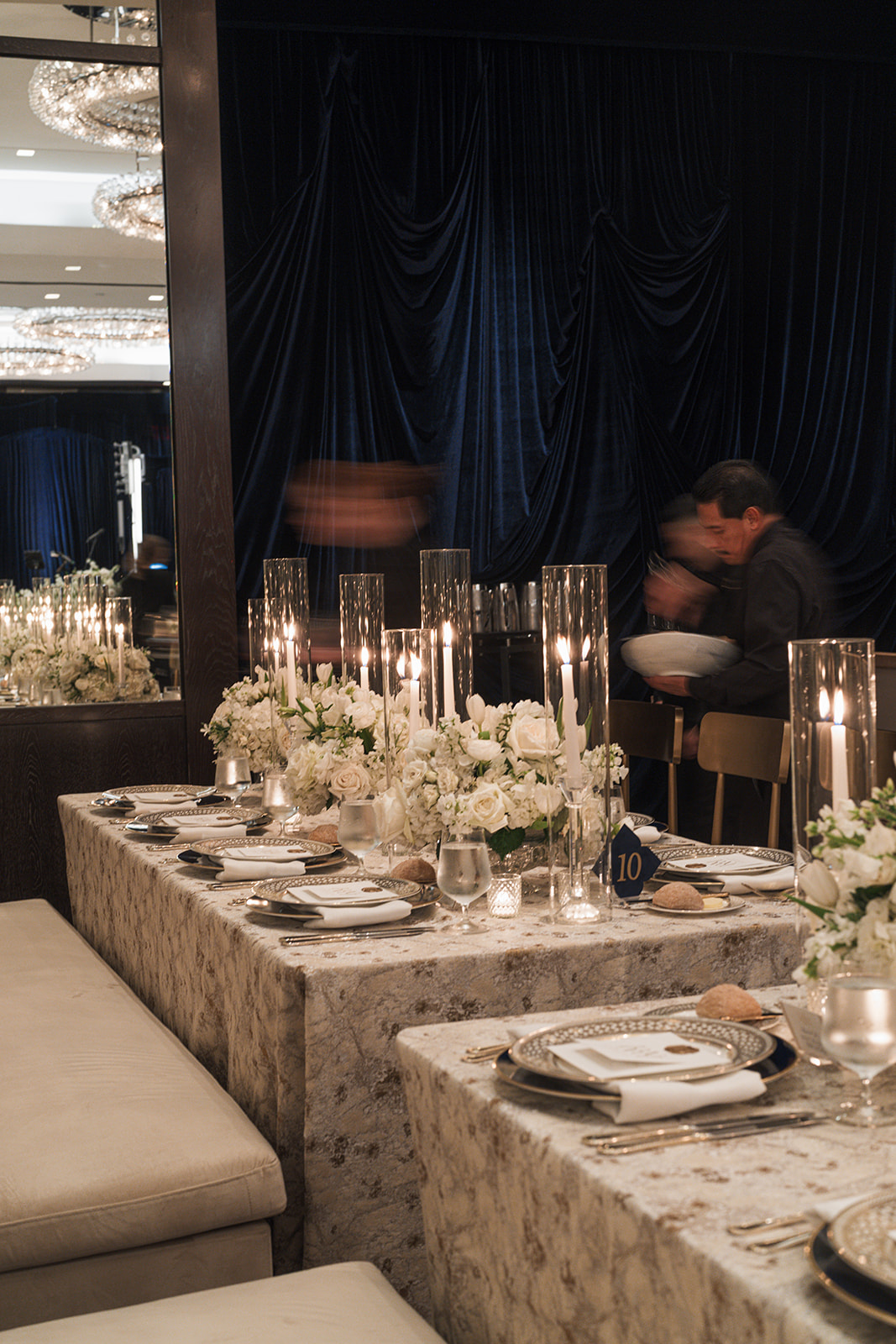
Creating a wedding vendor team is similar to assembling the pieces of a puzzle. Each vendor brings a specific expertise, perspective, and creative lens. When the pieces align toward a shared vision, the result feels effortless. Over the past decade, as a wedding photographer, I’ve worked alongside many wedding vendors, and there is a distinct difference between vendors who simply coexist on the wedding day and those who prioritize vendor collaboration.
Here are the three best practices for vendor collaboration that consistently elevate the wedding experience for both couples and the vendor team supporting them.


01. Collective Communication
Before the wedding weekend arrives, meaningful communication should already be in motion. This communication should not just be between the couple and each vendor, but as one collective. Photographers, videographers, planners, and design partners will benefit immensely from direct communication prior to the event.
A unified vendor call, including the couple, ensures alignment on vision, expectations, and logistics. When communication is proactive rather than reactive, the tone of the day will visibly shift. Details will become clarified, creative intentions will be shared, and potential friction points will be addressed in advance. The result is much more than efficiency; it’s cohesion.


02. Shared Visual Direction
Wedding branding has become more and more popular for a reason. Whether through curated storyboards, comprehensive design decks, or a full branding presentation, shared visual direction creates a blueprint for the entire vendor team. Strong vendor collaboration means every creative partner is referencing the same vision throughout the process.
As a wedding photographer, knowing the exact aesthetic a couple hopes to create, beyond a shot list of general photo preferences, shifts everything. This shapes how each moment is preserved through intentional wedding photography.


03. Proactive Information Sharing
One of the clearest green flags in a vendor partnership is proactive information sharing. Timelines should not live with only one vendor, and critical details should not be discovered in real time. When planners, photographers, videographers, and other design partners openly exchange information, the wedding day unfolds significantly more seamlessly.
For a wedding photographer specifically, having access to floral decks, stationery previews, and reception layouts is truly invaluable. From anticipating angles, lighting conditions, and storytelling opportunities, this information allows for thoughtful preparation.


Much of my perspective on best practices for vendor collaboration has been shaped by working alongside planners like Rachel Willis Events, who value preparation, transparency, and mutual respect. When wedding vendors approach an event as a collective effort rather than individual contributions, the difference is completely tangible.
If you are planning a wedding and value a vendor team that collaborates, I would be honored to be a part of that foundation.
Thank you to the following vendors:
Photographer: Stephanie Michelle Photography | Venue: The Joule, Dallas | Event Planner: Rachel Willis Events | Catering, Bar, & Cake: The Joule, Dallas | Videographer: 718 Creative | Entertainment: Intensity Entertainment | Florist: Petals Couture | Rentals: Posh Couture Rentals | Hair & Makeup: Etoilly Dallas | Rentals: Perch Event Décor | Rentals: Centerstage Floors | Rentals: Social Llama Rentals | Rentals: Nuage Linens | Invitations & Print: StoryBird Design | Rolls Royce Sendoff: Dallas Exotic Rentals | Magazine Photo Booth: DFW 360 Booths | Confetti Canons: Absolute Entertainment | Babysitting Services: Black Tie Babysitting | Men’s Styling & Attire: Billy Reid | Bridal Gown Retailer: Iconic Bride


HYPE WOMAN
FOUNDER
STRATEGIST
MAMA
ARTIST
I’m Stephanie, your new BFF.
If you're here, chances are you value authenticity over perfection, meaningful moments over posed portraits, and photographs that actually feel like you. Me too.
I'm Stephanie, a Fort Worth wedding photographer who believes your wedding photos should tell the real story—the tears during vows, the way your partner looks at you when they think no one's watching, the joy of your people celebrating together. I specialize in documentary-style photography with an editorial touch, which means I'm capturing genuine moments while making sure everything looks beautiful.
